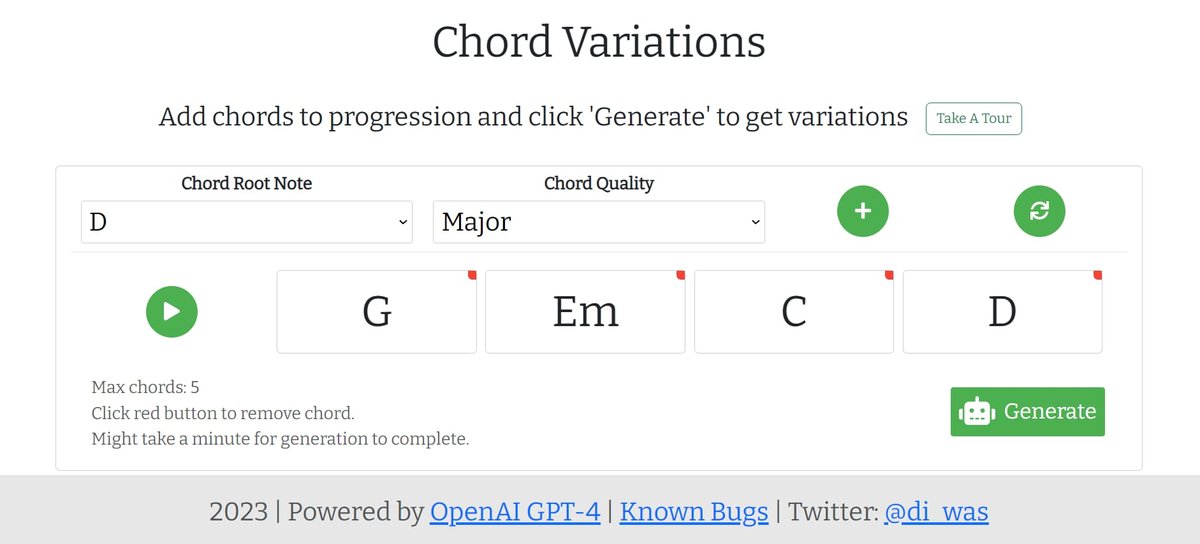
When Meredith Andrews' "Worth It All" hit the worship scene, it quickly resonated with countless hearts, becoming far more than just another song. It became an anthem, a deeply personal declaration of surrender and unwavering devotion. But truly bringing its powerful message to life, whether in a large congregational setting, a small group, or a solo moment, often hinges on understanding its nuances—both lyrical and musical. This guide delves into "Worth It All" Lyrics & Chord Chart Variations, equipping you to perform and experience this song with authenticity and impact.
At a Glance: What You'll Discover
- The Profound Lyrical Core: Unpack the deep theological themes of surrender, ultimate reward, and Jesus' worthiness that define the song.
- Deconstruct the Musical Journey: Understand how Andrews crafted the song's structure and dynamics to amplify its emotional arc.
- Master Chord Chart Adaptations: Explore how different keys, capo positions, and chord voicings can transform the song for various vocal ranges and instrumentations.
- Practical Performance Guidance: Learn how to tailor "Worth It All" for worship leading, solo performances, or full band arrangements.
- Troubleshooting & Best Practices: Avoid common pitfalls and discover techniques to lead or play the song effectively and ministerially.
The Heart of "Worth It All": Unpacking Meredith Andrews' Vision
"Worth It All" isn't merely a catchy tune; it’s a profound theological statement set to music. Meredith Andrews masterfully articulates a core Christian truth: that Jesus, the Lord, the unfailing promise, and our ultimate reward, is worth every sacrifice, every surrender.
The Lyrical Journey: A Testament to Surrender and Reward
From its opening lines, the song sets a tone of radical commitment. It declares a willingness to relinquish "all I have," not as a begrudging loss, but as an eager exchange to fully embrace "You" (Jesus). This isn't a transactional deal but a joyous recognition that everything earthly pales in comparison to the divine. The lyrics beautifully articulate that what might seem like a loss from a worldly perspective—possessions, ambitions, even self—is actually found anew, and in greater measure, in Christ. The resounding affirmation, "You are worth it all," isn't a passive statement; it's an active, ongoing declaration of faith.
The song then shifts its gaze from personal surrender to an outward longing. It critiques the transient nature of "earthly riches and treasures," recognizing their inability to satisfy the deeper yearnings of the human heart. Instead, a fervent desire for Jesus ignites within the singer, propelling the narrative towards an anticipated future.
This future vision is breathtaking: a glorious presence where "every knee bows," "Heaven sings," "saints cry 'Holy'," and "angels sing 'Worthy'." It paints a vivid picture of cosmic worship, a unified chorus acknowledging the unparalleled sovereignty and holiness of God. The personal declaration of surrender seamlessly transitions into a communal anticipation of eternal adoration. In this grand culmination, the singer resolves to "forever shout Your praises," once again circling back to the foundational truth: "You are worth it all." This cyclical reaffirmation reinforces the unwavering commitment and the eternal significance of Jesus' worth.
Meredith Andrews' Signature Sound and Intent
Meredith Andrews has a distinctive approach to worship music, often blending CCM sensibilities with deep theological roots. Her songs are crafted not just for listening but for participation, designed to be sung corporately. "Worth It All" exemplifies this, offering a melodic and harmonic landscape that feels both accessible and deeply emotive. The song's arrangement, typically building from a simple, contemplative opening to a powerful, anthemic chorus and bridge, mirrors its lyrical journey from personal resolve to universal adoration. Understanding this intent is key to interpreting and performing the song effectively, ensuring that the musical delivery supports, rather than overshadows, the powerful message of the lyrics.
Decoding the Musical Blueprint: Structure and Dynamics
Every great song has an architecture that supports its message, and "Worth It All" is no exception. Its structure and dynamic shifts are carefully designed to carry the listener through its profound lyrical narrative.
Song Structure: Verse, Pre-Chorus, Chorus, Bridge, Tag
"Worth It All" typically follows a common yet highly effective worship song structure:
- Verse: Often starts with a more introspective feel, setting up the lyrical theme of surrender and recognition of earthly futility. The instrumentation might be sparse, allowing the words to take center stage.
- Pre-Chorus: A build-up section that bridges the verse to the chorus. It usually increases in intensity, both lyrically and musically, creating anticipation for the main declaration. Here, the longing for Jesus begins to intensify.
- Chorus: The central melodic and lyrical hook, declaring the core message: "You are worth it all." This is typically the most anthemic and memorable part, where the instrumentation opens up and the vocals become more powerful.
- Bridge: Offers a shift in perspective or expands on a key theme. In "Worth It All," the bridge vividly paints the picture of future glory and universal worship, providing a profound theological climax. This section often sees the greatest dynamic and melodic contrast, building to a powerful crescendo.
- Tag/Outro: A repetitive phrase, often from the chorus or bridge, used to sustain the emotional impact and allow for extended worship. It provides a natural wind-down or a sustained moment of adoration.
This progression isn't accidental; it guides the listener on an emotional and spiritual journey, peaking at the declarations of Jesus' worth and the vision of eternal worship.
Emotional Arc: How the Music Builds Intensity with the Lyrics
The musical dynamics of "Worth It All" are crucial to its impact. It often begins with a more subdued feel, perhaps just piano or acoustic guitar and vocals, reflecting the personal, reflective nature of the opening verses. As the song progresses to the pre-chorus, subtle additions like drums or bass might enter, gently increasing the energy.
The chorus then explodes with fuller instrumentation—electric guitars, stronger drums, layered vocals—matching the powerful declaration of "You are worth it all." The bridge is often where the song reaches its peak intensity, with a driving rhythm and soaring melodies that mirror the grandeur of the "glorious presence" it describes. This build-up and release allow the song to carry its weighty message effectively, drawing listeners into both the personal surrender and the cosmic worship it proclaims.
Navigating Chord Chart Variations: A Musician's Guide
Performing "Worth It All" effectively requires more than just knowing the chords; it demands understanding how different keys, capos, and voicings can impact its delivery. The goal is always to serve the song's message, making it accessible and impactful for the specific context.
Why Key Matters: Finding the Perfect Fit
Choosing the right key is perhaps the most critical decision for any song, especially one intended for congregational singing or varied vocalists. The "original key" is a starting point, but rarely the only viable option.
- Vocal Range Considerations: The primary reason to change keys is to accommodate the lead vocalist's range and, crucially, the average congregational singing range. If the original key is too high, it becomes a performance for the band, not a participatory experience for the room. If it's too low, it can lose energy and sound muddy. For "Worth It All," the melody's range from its lowest verse notes to its highest bridge notes needs careful consideration. A common "sweet spot" for congregational worship is typically C, D, E, or G major, or their relative minors.
- Common Keys for "Worth It All": While Meredith Andrews often performs it in a specific key (e.g., A major), many churches will transpose it.
- A Major: The original key, or a close one, often used by Andrews. It has a bright, full sound on guitar, though can be a stretch for some congregational ranges at its peak.
- G Major: A very common worship key, often chosen for its ease of play on guitar and its comfortable range for many vocalists.
- C Major: Another guitar-friendly key that offers a good congregational range, especially if the melody sits lower.
- D Major: A popular choice, providing a vibrant feel and often a good middle ground for various vocalists.
Each key brings a slightly different sonic flavor. G and C feel a bit more grounded, while A and D can feel more soaring. Experimentation is key to finding what resonates best with your voice and your audience. For a foundational understanding of how to approach the chords in various keys, you'll want to Learn Worth It All Chords and then consider how to adapt them.
The Capo Advantage: Open Chords, Different Keys
For guitarists, the capo is an invaluable tool for seamlessly navigating different keys while still utilizing familiar, resonant open chord shapes.
- How Capos Simplify Playing: A capo allows you to play chords as if you're in one key (e.g., G major shapes) but sound in a different, higher key (e.g., G shapes with a capo on the 2nd fret sound like A major). This is particularly useful for worship songs like "Worth It All," where rich, open chord voicings often contribute significantly to the overall feel.
- Practical Examples:
- Playing in A with a G Capo: If the desired key for the song is A major, a guitarist can place a capo on the 2nd fret and play all the chords as if they were in G major. So, a G chord shape becomes an A, a C shape becomes a D, a D shape becomes an E, and an Em shape becomes an F#m. This often provides a fuller, more open sound than playing barre chords in A.
- Playing in D with a C Capo: Similarly, if D major is the target key, a capo on the 2nd fret using C major shapes would work (C shape becomes D, F shape becomes G, G shape becomes A, Am shape becomes Bm). Alternatively, a capo on the 5th fret playing G shapes will also result in D major (G shape becomes D, C shape becomes F, D shape becomes G, Em shape becomes Bm).
- Transposing Made Easy: Capos are essentially physical transposing devices. By understanding the relationships between keys and capo positions, a guitarist can quickly adapt to any requested key without having to learn entirely new fingerings for every song. This frees up mental energy to focus on dynamics, rhythm, and leading worship.
Chord Voicings: Adding Depth and Texture
Beyond the basic chord changes, the specific voicing of those chords can dramatically alter the feel of "Worth It All."
- Basic vs. Richer Voicings:
- Basic Voicings: Standard open chords (G, C, D, Em) or simple barre chords are the foundation. They provide clarity and harmonic direction.
- Richer Voicings: Incorporating extensions like sus2, sus4, add9, or specific slash chords (e.g., G/B, D/F#) can add sophistication and emotional depth. For instance, an Em7 or Cadd9 instead of a plain Em or C can evoke a more reflective or hopeful atmosphere. Using G/B in a progression like G - D/F# - Em - C creates a smooth bass line and melodic movement that simple chords might miss.
- Piano vs. Guitar Approaches:
- Piano: Pianists have a broader range of harmonic possibilities. They can play full voicings, spread voicings across multiple octaves, or use inversions to create smoother transitions and specific melodic top notes. For "Worth It All," a pianist might use suspended chords to create tension and resolution, especially in the pre-chorus, or spread out the bridge chords to create a more expansive, grand sound.
- Guitar: Guitarists often rely on open strings and specific fingerings. They can use capos for open voicings, or employ partial chords and arpeggios to add texture without muddying the sound. A guitarist might focus on rhythmic strumming in the chorus and switch to finger-picking or arpeggiation in the verses to create contrast.
- The Role of the Bass Player: The bass player is critical in defining the root of the chord and anchoring the harmony. Even if guitarists or keyboardists are playing inversions or slash chords, the bass typically plays the fundamental root, ensuring clarity. This frees up other instrumentalists to explore richer voicings without losing the harmonic center. For example, if a guitarist plays a Cadd9 but the bass plays an E, the perceived chord is C/E, adding a distinct flavor to the progression.
Rhythmic Interpretations: From Ballad to Anthem
The rhythmic feel of "Worth It All" can vary widely, influencing its overall character and suitability for different moments of worship.
- Tempo and Groove Considerations: The original recording typically sits at a moderate tempo, allowing the lyrics to breathe and the melody to soar. However, the song can be slowed down for a more contemplative, ballad-like feel, or slightly sped up for a more energetic, anthem-like rendition. A common groove might be a straightforward 4/4 beat, but subtle variations in drum patterns (e.g., adding a driving eighth-note pulse in the bridge) can significantly alter the energy.
- Acoustic vs. Full Band Arrangements:
- Acoustic: For a solo acoustic guitar or piano performance, the rhythm is often more understated. A gentle strumming pattern or arpeggiated piano chords can create an intimate atmosphere, allowing the vulnerability of the lyrics to shine. The dynamic range will be more subtle, relying on vocal inflection and chord choice to convey emotion.
- Full Band: A full band arrangement allows for a much broader dynamic range. The drums can build from light brushes or snare work in the verses to a full, powerful beat in the chorus and bridge. Electric guitars can add texture with pads, arpeggios, or soaring lead lines. The bass provides a solid foundation, driving the rhythm forward. Each instrument contributes to the song's journey from reflective surrender to triumphant declaration.
Common Adaptations for Worship Settings
"Worth It All" is a staple in many worship environments. Knowing how to adapt it ensures it serves its purpose, whether you're leading a large congregation or performing a stripped-down version.
Leading Congregational Worship: Engaging the Room
When leading worship, the primary goal is to facilitate participation.
- Key Selection: As discussed, choose a key that comfortably sits within the average congregational vocal range. Often, this means aiming for the melody's highest note to be around a C, D, or E for female voices, and an A or B for male voices, making it accessible for everyone.
- Clear Arrangement: Keep the arrangement clear and uncluttered, especially in the verses. Allow the melody and lyrics to be easily heard and followed. The band's role is to support, not overshadow, the voices of the people.
- Dynamic Shifts: Use dynamics to build and release tension, guiding the congregation through the song's emotional arc. Start softer, build to a powerful chorus, perhaps pull back for a reflective moment in the bridge before a final strong declaration.
- Repetition: Don't be afraid to repeat the chorus or bridge for emphasis, allowing the message to sink in and encouraging deeper engagement.
Solo Performance: Simplifying the Arrangement
For a solo rendition, whether with guitar or piano, the focus shifts to storytelling and intimacy.
- Essential Elements: Prioritize the core melody and chords. You might simplify complex voicings or rhythmic patterns to maintain clarity.
- Dynamic Vocal Delivery: Your voice becomes the primary driver of emotion. Use subtle shifts in volume, tone, and phrasing to convey the lyrical journey.
- Strategic Instrumentation: If on guitar, use finger-picking patterns in verses and a fuller strum in choruses. On piano, use a balanced left-hand bass with right-hand chords and melody lines. Don't feel the need to play every note of a full band arrangement; imply it where possible.
- Space: Embrace moments of silence or sustained chords to create reflection, particularly after powerful lyrical statements.
Band Dynamics: Layering Instruments Effectively
A full band brings rich possibilities for "Worth It All," but requires intentional layering to avoid a muddy sound.
- Defining Roles:
- Drums: Establish the groove and drive the dynamics. Build from light, sustained patterns to full, energetic beats.
- Bass: Provides the harmonic foundation and rhythmic anchor. Keep it solid and clear.
- Keys: Can fill out the harmony with pads, play melodic lines, or provide rhythmic piano parts. They often cover the mid-range frequencies.
- Acoustic Guitar: Often provides the core rhythmic strumming and can use a capo for open voicings.
- Electric Guitars: Can add texture with ambient swells, arpeggios, or soaring lead lines (e.g., in the bridge). Avoid both electric guitars playing the exact same rhythm and chords unless intentionally trying to create a massive wall of sound.
- Arrangement Planning: Discuss sections where certain instruments will be prominent and where others will pull back. For example, a sparse verse with just piano and vocals, a pre-chorus where acoustic guitar and light drums enter, and a chorus with the full band. The bridge is often where the band can collectively reach its dynamic peak.
- Ear for Balance: Each musician needs to listen to the others, ensuring no single instrument overpowers the mix, and that the collective sound supports the vocals and lyrics.
Vocal Harmonies: Enhancing the Message
Harmonies can elevate "Worth It All," adding depth and emotional resonance.
- Strategic Placement: Harmonies are often most effective in the pre-chorus, chorus, and bridge, where they can build intensity and reinforce the core message. Avoid overly complex harmonies in the verses, as this can distract from the lead vocal's storytelling.
- Common Harmonies: Thirds, fifths, and octaves above or below the melody are standard. For "Worth It All," harmonies often mirror the emotional arc, becoming fuller and more powerful in the climactic sections.
- Vocal Blend: Encourage singers to listen to each other and blend their voices, aiming for a unified sound rather than individual prominence. Dynamics are key here too; harmonies should support the lead, not compete with it.
Troubleshooting & Best Practices
Even with a well-known song like "Worth It All," pitfalls can arise. Here's how to navigate them and ensure a powerful delivery every time.
Avoiding Common Pitfalls
- Wrong Key for the Room: This is arguably the biggest mistake. If the key is too high for your congregation, they will disengage. Always prioritize participation over personal vocal comfort or playing ease. If in doubt, err slightly lower.
- Overly Complex Chords/Arrangement: While rich voicings are great, don't sacrifice clarity. A complex chord progression or an arrangement with too many conflicting instrumental parts can distract from the lyrics and make the song inaccessible. Simpler, cleaner arrangements are often more impactful.
- Lack of Dynamic Contrast: Playing the entire song at the same volume and intensity quickly becomes monotonous. "Worth It All" thrives on its emotional build-up and release. Ensure clear dynamic shifts from verse to pre-chorus to chorus to bridge.
- Ignoring the Lyrical Weight: If the musicians aren't internalizing the meaning of the words, the performance can feel hollow. The music should reflect the surrender, the longing, the future hope, and the ultimate declaration of Jesus' worth.
Practicing with Purpose: Tips for Mastery
- Section by Section: Don't try to master the whole song at once. Break it down into verses, pre-choruses, choruses, and bridges. Practice transitions between sections.
- Focus on Dynamics: Actively practice the dynamic shifts. How soft can you play the verse? How powerful can the chorus be? How does the bridge build?
- Play with a Metronome: Ensure rhythmic accuracy and consistent tempo.
- Sing Along (Even If You Don't Sing Lead): Understanding the vocal melody helps inform your instrumental accompaniment, ensuring you support the lead rather than fight it.
- Rehearse with the Band: If performing with others, regular, intentional rehearsals are non-negotiable. Work on blend, balance, and hitting cues.
Listening and Learning: The Value of Original Recordings and Live Versions
While personal interpretation is encouraged, don't underestimate the value of studying the original artist's rendition and various live performances.
- Original Recording: Listen for Meredith Andrews' vocal phrasing, the instrumentation, the dynamic arc, and the overall feel she created. This provides a baseline understanding of the song's intended emotional impact.
- Live Versions/Other Artists: Search for other worship leaders or bands performing "Worth It All." You'll notice different keys, arrangements, and interpretations. This can spark new ideas for your own adaptation while showing you common successful approaches. Pay attention to what works well in different contexts and how they manage the song's dynamics.
Beyond the Chords: Embodying the Message
Ultimately, "Worth It All" transcends its musical notes and chord changes. It’s an invitation to a deeper relationship with Jesus, a call to surrender, and a declaration of His supreme value.
Theology in Practice: How the Lyrics Shape Our Worship
The song's power lies in its theology. As you play or lead "Worth It All," remember:
- Surrender: The verses about relinquishing "all I have" are not just words; they are an invitation to examine your own heart and what you hold dear.
- Found in Him: The truth that everything lost is found in Him provides comfort and reorients perspective.
- Unfailing Promise: This speaks to God's faithfulness, a rock-solid foundation amidst life's uncertainties.
- Ultimate Reward: This reminds us where our true treasure lies, shifting our focus from temporal gains to eternal glory.
- Cosmic Worship: The bridge connects our personal worship to a grand, universal chorus, reminding us we are part of something much larger.
Embodying these truths in your performance transforms the song from a mere musical piece into a profound act of worship, for yourself and for those you lead.
Personal Reflection: Letting the Song Minister
Before you ever play a note for others, let "Worth It All" minister to you personally. Spend time with the lyrics, meditating on their meaning. Allow the melody to wash over you. When the song becomes a personal declaration, it will naturally flow with greater authenticity and power to others. This journey from personal conviction to public declaration is what makes "Worth It All" truly impactful.
Your Next Step: Making "Worth It All" Your Own
You've explored the lyrical depth, the musical structure, and the myriad variations of "Worth It All." Now it's time to put this knowledge into practice.
- Choose Your Key: Based on your vocal range or your congregation's, pick the most suitable key.
- Gather Your Resources: Find a chord chart in your chosen key, or use a transposing tool to create one.
- Practice Smart: Start slow, focus on transitions, and pay attention to dynamics. If you're a guitarist, experiment with a capo to unlock different voicings.
- Listen and Observe: Continue listening to Meredith Andrews' original and other live versions to gather inspiration for your arrangement.
- Embody the Message: Most importantly, internalize the profound message of surrender and Jesus' worth. Let it inform every note you play and every word you sing.
"Worth It All" is more than just chords and lyrics; it's a timeless declaration of faith. By understanding its core, exploring its variations, and approaching it with both skill and spirit, you'll be well-equipped to share its transformative message.