Few songs capture the heart of worship quite like Meredith Andrews' "Worth It All." Its powerful message and soaring melody make it a staple in contemporary worship, and if you're looking to bring its spirit to your guitar, mastering "Worth It All" Guitar Chords & Tabs is your first step. Forget endless searching and confusing diagrams; this guide is designed to empower you to play this beautiful song with confidence and musicality, no matter your experience level.
You're not just learning a sequence of notes; you're learning to lead hearts in worship, to articulate a profound truth on your instrument. And the good news? It's more approachable than you might think, especially when you understand the foundational choices that make playing Meredith Andrews' music so rewarding.
At a Glance: Your Pathway to Playing "Worth It All"
- Key Decisions: Learn the two primary ways to play the song – with a capo (relative G shapes) or in the actual key (C#m, A, E, B).
- Essential Chords: Get clear, actionable breakdowns of every chord needed for both capo and open-position approaches.
- Section-by-Section Mastery: Walk through the song's structure, verse by verse, chorus by chorus, with the exact chords you need.
- Dynamic Playing: Discover tips for strumming patterns, tempo, and dynamics to bring the song to life.
- Pro Tips: Overcome common challenges and elevate your worship guitar playing.
Why "Worth It All" Resonates and Why You Should Master It
"Worth It All," co-written by Meredith Andrews and Jacob Sooter, and often associated with Worship Central, is more than just a song; it's a declaration. Its lyrics speak to surrender, sacrifice, and the ultimate reward found in Christ. For worship leaders, team members, or simply those who find solace in expressing their faith through music, learning to play this song authentically offers a profound connection to its message.
Meredith Andrews has a remarkable ability to craft anthems that feel deeply personal yet universally relevant. Her arrangements often feature clear, driving rhythms with moments of expansive, atmospheric beauty, making her songs a fantastic learning ground for guitarists who want to contribute effectively to a worship band or lead intimate acoustic sets. The structure of "Worth It All" is straightforward but allows for rich dynamic interpretation, making it an excellent song to deepen your understanding of chord progressions and musical storytelling.
Unlocking the Guitar: Capo or Open Chords – Your First Strategic Choice
One of the first questions guitarists face when approaching a song like "Worth It All" is how to play it. The ground truth for this song presents two excellent options, each with its own advantages:
- Playing with a Capo: This method simplifies the chord shapes, making them more comfortable for many players, especially those newer to barre chords. You'll place a capo on the 2nd fret and use chord shapes relative to the Key of G. This means you'll be playing shapes like G, C, Em, and D, but the actual sound will be in the Key of A. This is a common and highly effective technique in worship music.
- Playing in the Actual Key: For those comfortable with barre chords and more complex shapes, playing without a capo directly in the Key of A offers a different feel and voicings. This approach uses chords such as C#m, A, E, and B. It can sometimes sound fuller or provide more flexibility for lead parts if you're the only guitarist, but it generally requires more dexterity.
There's no "right" or "wrong" choice here. Your decision should depend on your comfort level, the sound you're aiming for, and what best suits your vocal range (if you're singing) or the band's arrangement.
The Capo Advantage: Simple Shapes, Rich Sound
If you're opting for the capo on the 2nd fret, you'll love the familiarity of the shapes. These are often among the first chords learned by guitarists, making the song accessible quickly.
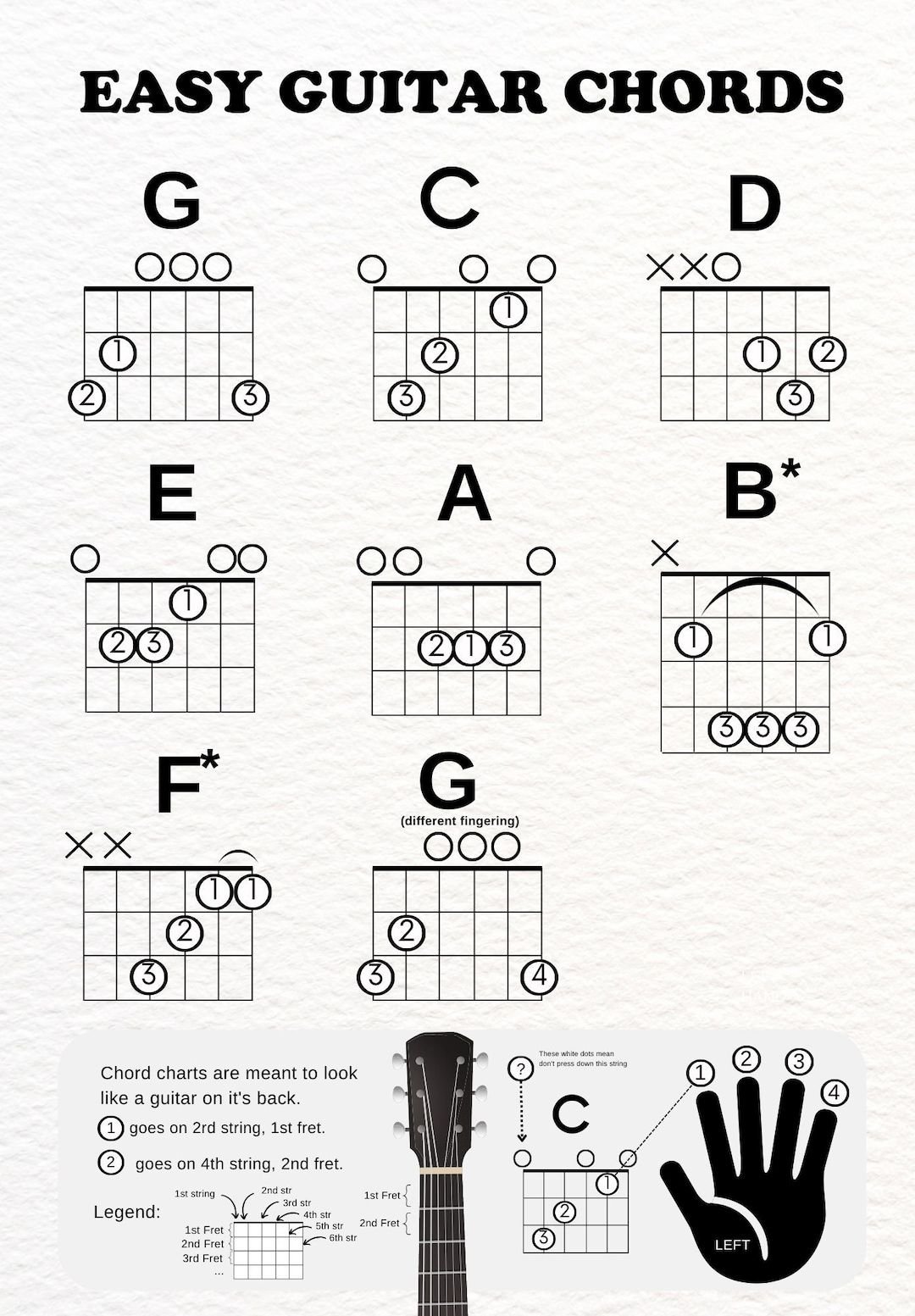
- Em: (022000)
- C: (X32010)
- G: (320003)
- D: (XX0232)
Notice how these are all open-position chords? The capo does the heavy lifting, effectively shifting the "nut" of your guitar up two frets, so when you play an "Em" shape, it sounds like an "F#m." When you play a "C" shape, it sounds like a "D," and so on. This keeps your fingers in comfortable positions while achieving the desired key.
Playing It Straight: Actual Key Chords
For those ready to tackle the song without a capo, you'll be playing directly in the Key of A, utilizing a mix of open and barre chords. This approach provides a slightly different tonal quality and can be excellent for developing your barre chord proficiency.
- C#m (C sharp minor): (X46654) - This is a common barre chord shape.
- A: (X02220) - Open position.
- E: (022100) - Open position.
- B: (X24442) - Another common barre chord shape.
- B/D# (B over D sharp): This is a passing chord, often implying a bass note shift. On guitar, you might finger B (X24442) and emphasize the D# (4th fret on the A string) or play a simplified version like (XX1442) or even just use a regular B and let the bass player handle the D#.
- E/G# (E over G sharp): Similar to B/D#, this is a common passing chord. Play an E chord (022100) and ensure the G# (4th fret on the low E string) is ringing out, often by moving your thumb or pinky to fret it, or just playing the E chord and letting the bass carry the G#.
Understanding these chord foundations is vital, but seeing them in the context of the song's structure is where the magic truly happens. For a more visual and interactive experience with chord diagrams and fingerings, consider exploring a full worth it all chords guide.
Verse by Verse: Deconstructing "Worth It All"
Let's break down the song section by section, providing the chords for both capo and actual key approaches. This will help you navigate the song's flow and understand how the chord progressions support the melody and lyrics.
Intro
The intro sets the tone – reflective and building.
- Capo 2, Key A:
Em C G - Actual Key:
C#m A E
Practice these changes slowly. The goal is smoothness and clarity, letting each chord ring out. This is your foundation.
Verse 1
The first verse introduces the core theme of surrender and reward.
All I am Lord, here before You reaching out for more.
You're the promise, never failing.
You are my reward. Jesus, You are my reward.
- Capo 2, Key A:
Em C G(repeat for "You are my reward") - Actual Key:
C#m A E B/D#(B/D# often occurs on "reward")
The progression here is simple yet effective. Pay attention to the rhythm of the lyrics and how they align with the chord changes. The B/D# in the actual key version adds a nice bass line movement that propels the song towards the chorus.
Chorus
This is the heart of the song, a powerful declaration. The chords here provide a sense of resolve and affirmation.
I let go of all I have just to have all of You.
And no matter what the cost, I will follow You.
Jesus, everything I've lost I have found in You.
When I finally reach the end I'll say You are worth it all.
- Capo 2, Key A:
C G Em D(This progression carries throughout the chorus) - Actual Key:
A E C#m B(This progression carries throughout the chorus)
The chorus chords feel expansive and uplifting. In the capo version, the C-G-Em-D progression is incredibly common and satisfying to play. In the actual key, the A-E-C#m-B progression provides a strong, clear, and driving feel. Practice the transitions to make them seamless, especially from the Em/C#m to the D/B, which can be a quick change.
Verse 2
Verse 2 reiterates the theme, emphasizing spiritual satisfaction over earthly pursuits.
There's no riches or Earthly treasures that will satisfy.
Every longing, for Jesus, set this heart on fire.
Set this heart on fire.
- Capo 2, Key A:
Em C G(repeat for "Set this heart on fire") - Actual Key:
C#m A E B/D#(B/D# on "fire")
The chord progression here mirrors Verse 1, which provides familiarity and allows the focus to remain on the lyrics. Maintain the dynamics established in Verse 1, perhaps building slightly in intensity towards the end of the verse.
Bridge
The bridge is where the song truly builds, envisioning a future in God's presence with heavenly praise. This section often features a more sustained, anthemic feel.
When I'm there in Your glorious presence.
Every knee is bowed before You.
Hear the sound of heaven singing "You are worth it all!"
All the saints cry "Holy! Holy!"
Angels singing "Worthy! Worthy!"
Forever I will shout Your praises. You are worth it all.
- Capo 2, Key A:
C D(This repeats, often with sustained chords or a more building strum) - Actual Key:
A E/G# B C#m(This progression adds rich movement)
The bridge chords are designed to create a sense of grandeur and anticipation. In the capo version, the simple C-D repetition allows for powerful sustained strumming or dynamic builds. In the actual key, the A-E/G#-B-C#m progression offers more melodic interest through the bass notes, creating a rising and falling emotional arc that perfectly matches the lyrics. The E/G# is crucial here for that smooth bass walk-down.
Ending
The song concludes with a final, echoing declaration.
You are worth it all.
- Capo 2, Key A:
Em C G - Actual Key:
A C#m B
The ending resolves the song powerfully. In the capo version, ending on a sustained G feels complete. In the actual key, the A-C#m-B progression allows for a strong, decisive finish, often with a final strum on the B chord ringing out.
Tempo, Strumming, and Dynamics: Bringing "Worth It All" to Life
Knowing the chords is one thing; making the song sound like "Worth It All" is another. This is where tempo, strumming patterns, and dynamics come into play.
Finding the Groove: Strumming Patterns & Rhythm
"Worth It All" has a medium, steady tempo, often around 70-80 BPM (beats per minute). Use a metronome to find a comfortable pace and stick with it.
For strumming, a common pattern that works well for many contemporary worship songs is:
Down-Down-Up-Up-Down-Up
Try applying this pattern to each chord. You can vary it by:
- Muting: Lightly mute the strings with the palm of your strumming hand on the downbeats for a percussive, driving feel.
- Accentuation: Emphasize certain strums, especially the downbeats, to create a strong pulse.
- Simple Downstrokes: For verses, you might start with just gentle downstrokes on each beat to create a more intimate feel, then build to the full strumming pattern in the chorus.
Listen to the original song closely. Pay attention to how the guitar sits in the mix, what kind of attack the guitarist uses, and how the rhythm evolves throughout the song.
Dynamics: The Heart of Worship
Dynamics refer to the loudness or softness of your playing, and they are critical for conveying emotion and leading listeners through the song's journey.
- Intro & Verse 1: Start softly, perhaps with sustained chords or very gentle fingerpicking/strumming. This creates an inviting, reflective atmosphere.
- Pre-Chorus Build (if applicable, though less distinct in "Worth It All"): If there's a pre-chorus that acts as a build, gradually increase your strumming intensity and volume.
- Chorus: This is often the peak dynamic point. Strum with more force and confidence. Let the chords ring out powerfully.
- Verse 2: You can return to a softer dynamic here, or maintain a slightly higher intensity than Verse 1 if the band's energy is building.
- Bridge: This section should build significantly. Increase volume, strumming intensity, and potentially add more open strings or richer chord voicings if you're experimenting. It should feel like a crescendo leading to the final declaration.
- Ending: A powerful, sustained final chord, allowing the notes to decay naturally, leaving a lingering sense of peace and affirmation.
Common Pitfalls and Pro Tips for Worship Guitarists
Learning a song note-for-note is one thing; playing it in a worship context requires a slightly different mindset.
Syncing with the Band (or Solo Worship)
If you're playing with a band, your role is to support, not to overpower.
- Listen: Tune in to the bass player and drummer. Your rhythm needs to lock in with theirs.
- Space: Don't feel the need to play constantly. Sometimes, a well-placed silence or a sustained chord speaks volumes.
- Voicings: If there's another guitarist or a keyboardist, try to vary your voicings. If they're playing open chords, you might use barre chords higher up the neck for a different texture, or vice versa. This keeps the sound from getting muddy.
If you're leading solo worship, you have more freedom, but also more responsibility to carry the entire harmonic and rhythmic load. Use dynamics to create interest and keep the song moving.
Practice Smart, Not Just Hard
- Slow Down: Practice chord changes at a painfully slow tempo until they are clean and effortless. Speed will come naturally.
- Loop Sections: Focus on just the intro, then just Verse 1, then the transition from Verse 1 to Chorus. Master each piece before trying to play the whole song.
- Listen Actively: Don't just play; listen to what you're playing. Are the chords ringing clearly? Is your rhythm consistent? Does it sound good?
- Record Yourself: It's an invaluable tool for self-critique. You'll hear things you never notice while playing.
Understanding the "Why": Worship Context
Remember, this isn't just a performance; it's an act of worship. Let the lyrics inform your playing. When you strum, think about the meaning behind "I let go of all I have" or "You are my reward." This connection to the song's message will infuse your playing with authenticity and passion that no amount of technical skill alone can achieve. It's about leading hearts, not just playing notes.
Beyond the Basic Chords: Enhancing Your Play
Once you're comfortable with the core chords and strumming, you might want to add some extra flair. While "tabs" usually refer to specific notation for individual notes, for a chord-based song like this, "tabs" can also imply rhythmic patterns or simple melodic fills derived from the chords.
Arpeggios and Fills
During softer sections (like the intro or first part of a verse), consider playing arpeggios instead of strumming. An arpeggio means playing the individual notes of a chord one by one.
- For an Em chord (Capo 2), you might pick the 6th, 5th, 4th, and 3rd strings in sequence.
- For a C#m chord (Actual Key), you could pick individual notes from the barre chord shape.
Simple melodic fills can also be added between vocal lines, often by picking out notes that are already part of the current chord, or using a simple pentatonic scale that fits the key (A major pentatonic for the Key of A). These aren't full "tabs" in the traditional sense, but they add texture.
Lead Lines and Melodies
If you're playing with a second guitarist or a keyboardist covering chords, you can explore lead lines. These often involve:
- Following the Vocal Melody: Picking out the main vocal line on your guitar.
- Harmonizing: Playing a complementary melodic line, often a third or fifth above the main melody.
- Drone Notes: Sustaining a key note (like the root of the chord or the key's root) while other instruments move around it.
For "Worth It All," the melody is relatively simple and anthemic, making it a good candidate for picking out lead lines during instrumental breaks or the bridge.
Your Next Steps: Becoming a "Worth It All" Master
You now have a robust framework for learning and playing "Worth It All" on guitar. Whether you choose the capo method for accessibility or the actual key for directness, the principles of clear chord changes, dynamic awareness, and heartfelt playing remain the same.
Your journey doesn't end here. Continually revisit the ground truth: the original recording. Listen for nuances, subtle rhythmic shifts, and emotional inflections that you can incorporate into your own playing. Experiment with different strumming patterns, and as your confidence grows, explore adding your own tasteful fills and embellishments.
Playing "Worth It All" isn't just about mastering chords and tabs; it's about connecting with a powerful message and sharing it through the universal language of music. So grab your guitar, pick your preferred method, and let the beautiful truth of "You are worth it all" resonate from your fingertips. Happy playing!